


Who we are
Our Story
The idea of “Y2Y” was first discussed on September 18, 2003, after the World Bank Group President, Mr. James Wolfensohn had met with youth from more than 70 countries convening at the World Bank’s Youth Development and Peace Conference in Sarajevo. At this conference, President Wolfensohn committed the WBG to mainstreaming youth participation and engagement, which prompted a few young people at the Bank to start defining the role of young people inside the World Bank Building on the momentum of this event, Y2Y was founded on February 27, 2004, with the objective of providing young people in the WBG with a greater institutional role.
Our Mission
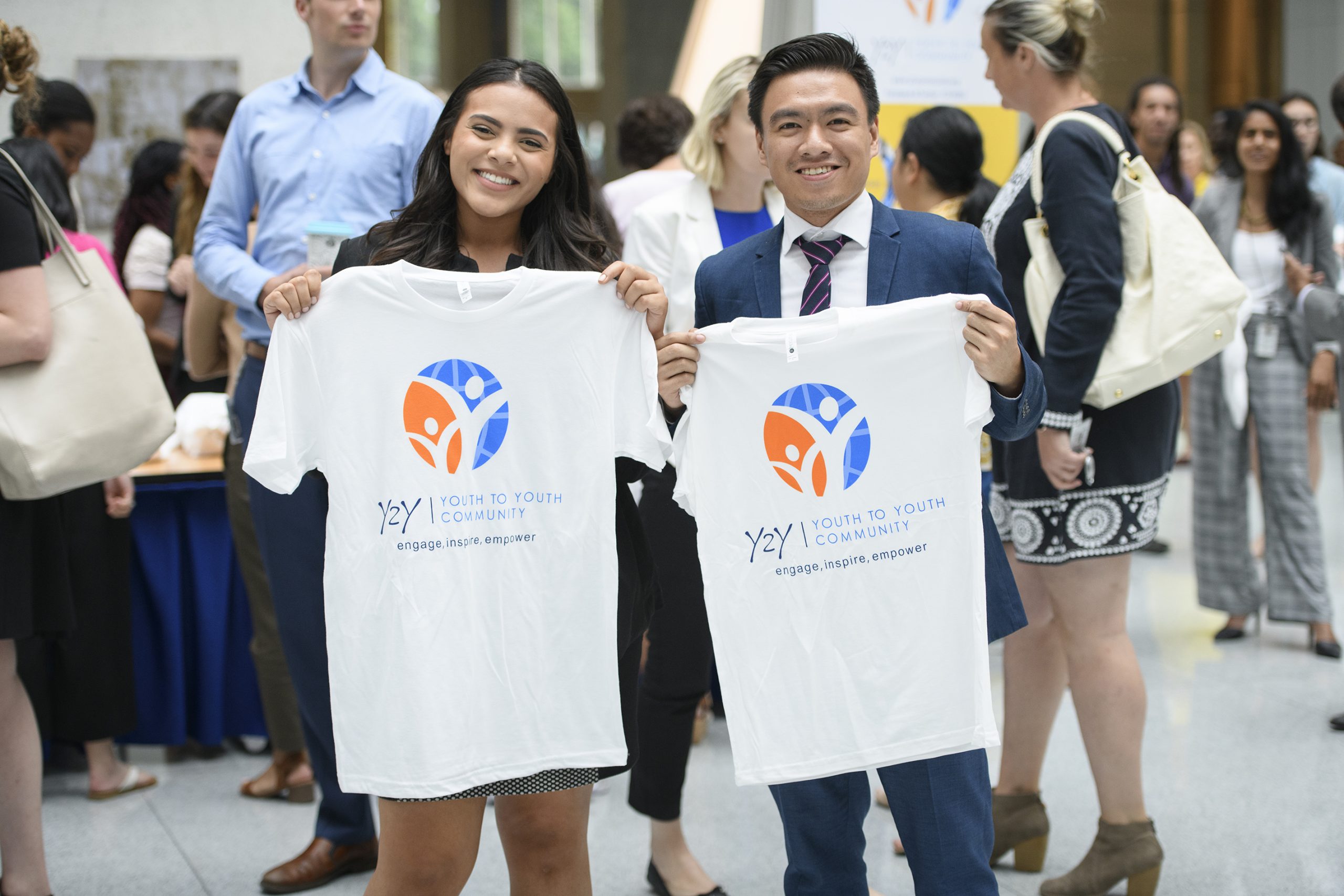
Y2Y is a community of young professionals at the World Bank Group (WBG) who provide a reservoir of fresh ideas and perspectives to contribute to the WBG’s vision of “achieving a world free of poverty” and the fulfillment of the Sustainable Development Goals. The mission of Y2Y is to engage, inspire, and empower youth within and outside the WBG.
Our Actions
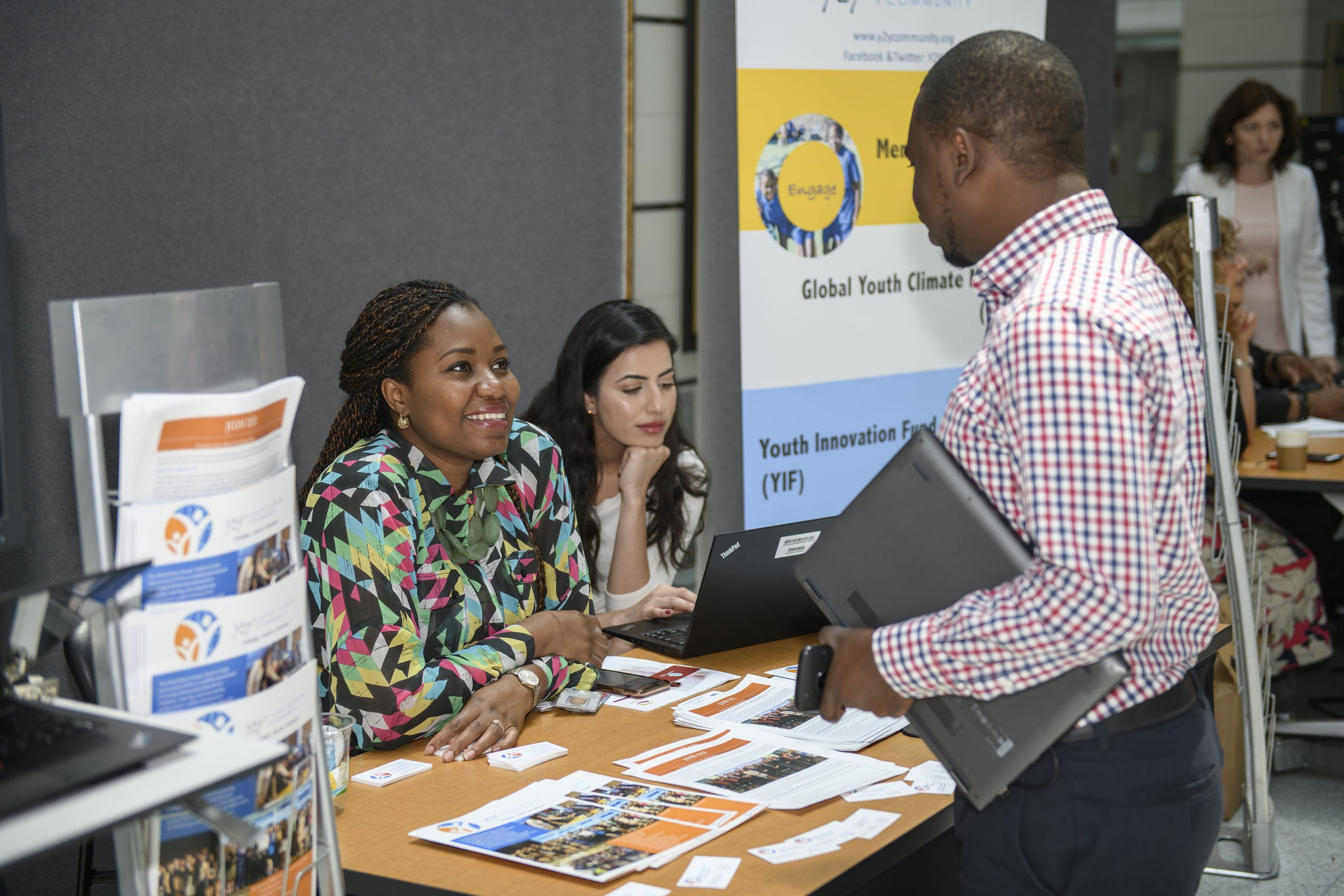
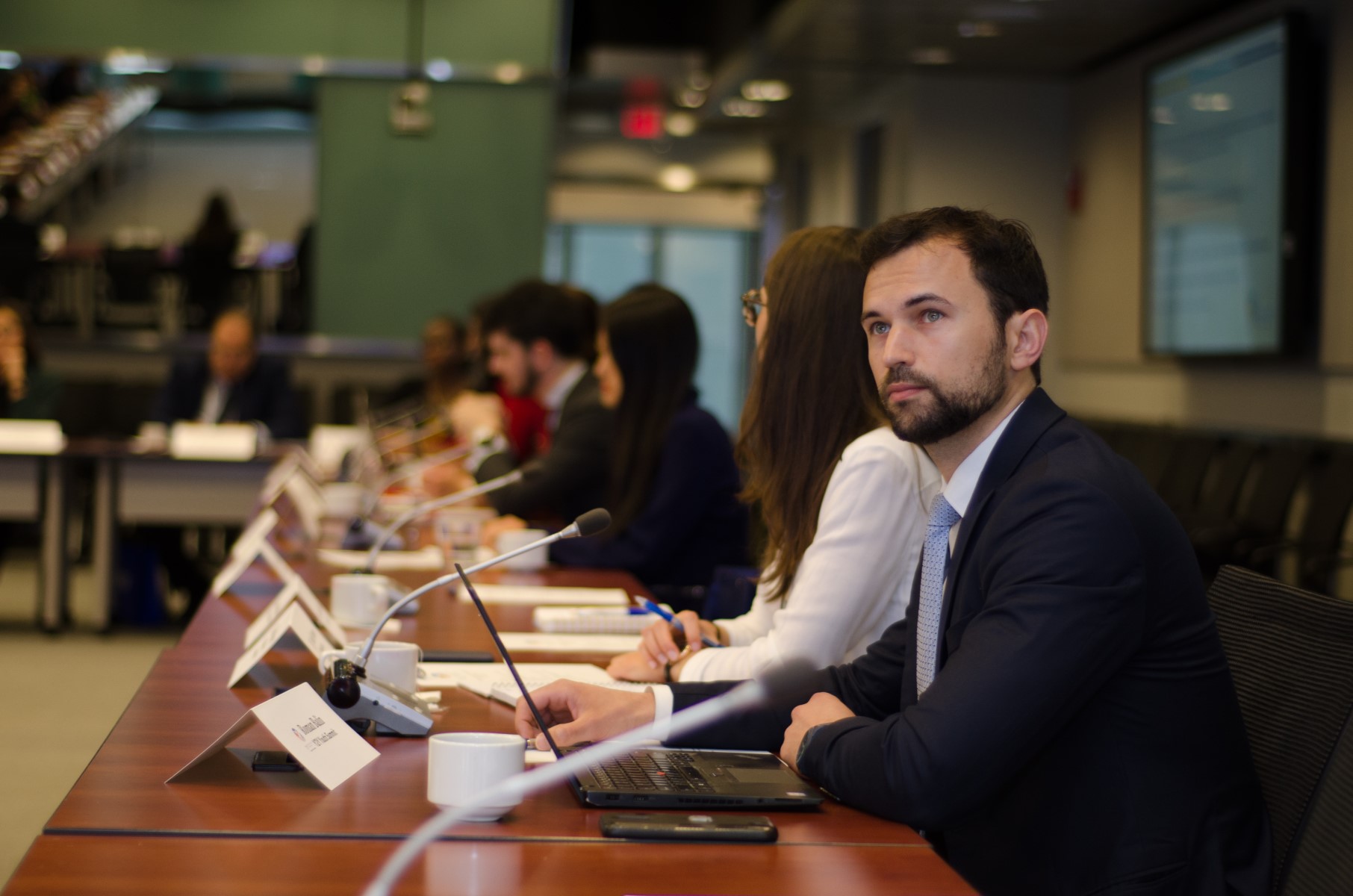
Headed by a volunteer Steering Committee consisting of young WBG staff (under 35 years old) and supported by an Advisory Board of senior WBG staff, Y2Y is the largest volunteer organization in the institution. Y2Y promotes agile ideas and actions and contributes to the institutional and global youth agenda through its five internal and external facing core programs, Mentorship, Global Youth Climate Network (GYCN), Youth Innovation Fund, and Youth Voices, which are further supported by the Secretariat, Finance, and Communications, Events and Partnerships teams.
Our Story
The idea of “Y2Y” was first discussed on September 18, 2003, after the World Bank Group President, Mr. James Wolfensohn had met with youth from more than 70 countries convening at the World Bank’s Youth Development and Peace Conference in Sarajevo. At this conference, President Wolfensohn committed the WBG to mainstreaming youth participation and engagement, which prompted a few young people at the Bank to start defining the role of young people inside the World Bank Building on the momentum of this event, Y2Y was founded on February 27, 2004, with the objective of providing young people in the WBG with a greater institutional role.
Our Mission
Y2Y is a community of young professionals at the World Bank Group (WBG) who provide a reservoir of fresh ideas and perspectives to contribute to the WBG’s vision of “achieving a world free of poverty” and the fulfillment of the Sustainable Development Goals. The mission of Y2Y is to engage, inspire, and empower youth within and outside the WBG.
Our Actions
Headed by a volunteer Steering Committee consisting of young WBG staff (under 35 years old) and supported by an Advisory Board of senior WBG staff, Y2Y is the largest volunteer organization in the institution. Y2Y promotes agile ideas and actions and contributes to the institutional and global youth agenda through its five internal and external facing core programs, Mentorship, Global Youth Climate Network (GYCN), Youth Innovation Fund, Youth Summit, and Youth Voices, which are further supported by the Secretariat, Finance, and Communications, Events and Partnerships teams.
All the events
Gallery
Our Partners